


You Taste With Your Eyes First

Gilles Miller
Industry Insider, Upside Drinks
In 2001, a researcher at the University of Bordeaux poured two glasses of wine for 54 oenology students. Oenology is the study of wine, so these were people trained to taste for a living. One was white. One was red. They described the red with the usual red words: dark berries, cherries, something jammy.
Both glasses held the same white wine. The "red" was just that white with a shot of odorless, flavorless dye (Morrot, Brochet and Dubourdieu, Brain and Language, 2001).
Nobody caught it. Fifty-four trained noses, and the color rewrote what they tasted.
WHY THIS HAPPENS
Your brain doesn't taste in a straight line. It takes in everything at once, sight, smell, memory, and hands you a single verdict. Color usually gets there first, because you see the glass before it reaches your lips.
So when the eyes say "red," the brain reaches for red words and quietly overrules the nose. The students weren't fooling themselves on purpose. Their senses had already agreed before their mouths got a vote.
COLOR ISN'T JUST DECORATION
That's a showy lab example, but the same thing runs through everyday drinks. Make one redder and people taste it as sweeter, even when it holds less sugar (Johnson and Clydesdale, 1982). Take away a drink's expected color and the flavor gets lost: in one test, a cherry drink tinted the wrong shade was called lemon-lime by 40 percent of tasters (DuBose et al., 1980).
So color isn't a finishing touch. It's part of the flavor, doing its work before the sugar does.
WHAT IT MEANS FOR YOUR GLASS
The useful part is that this works in your favor. A non-alcoholic drink with real depth of color, in a proper glass, catching the light, has already done half the work before you taste it.
So the pour is worth a minute more than most people give it. The right glass, a clear cube of ice, a bit of color from a garnish: none of it is fussy, and all of it tells your senses this drink is worth paying attention to.
THE VERDICT
Your senses read the whole glass, not just the liquid. Which means how a drink looks isn't vanity, it genuinely changes how it tastes. Treat a good non-alcoholic drink like it's worth looking at, and it will taste that way too.

Discover our Shop with
1000+ alcohol-free options
From sparkling wines to craft beers and botanical spirits, there's something for everyone.
BROWSE THE STORE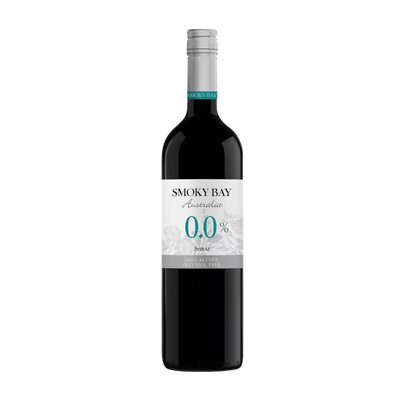
You May Also Like
 IndustryWhy Tonic Water Glows Under a Blacklight
 IndustryMeet the founder : Patrice Plante from NOA
 IndustryWhy NA Wine Is the Hardest One to Get Right