


How Is Non-Alcoholic Beer Made? The 4 Methods Explained

Marc Bennett
Non-Alcoholic Beverage Reviewer
How is non-alcoholic beer made? Almost every one starts the same way as regular beer: malt, water, hops and yeast, brewed and fermented. The difference is what the brewer does next. Some take the alcohol out after brewing, others make sure very little alcohol forms in the first place. In Canada, a beer sold as non-alcoholic contains up to 0.5% alcohol, and the ones labelled 0.0% are under 0.05%.
Below are the four main methods, what each one does to the taste, and a few non-alcoholic beers you can try from our shelves.

Quick Answer: How Non-Alcoholic Beer Is Made
| Method | How it works | Effect on flavour | Typical result |
|---|---|---|---|
| Vacuum distillation | Brew a full beer, then gently boil off the alcohol under vacuum at a low temperature | Can soften aroma; many brewers capture the aromas and add them back | 0.0% to 0.5% |
| Reverse osmosis | Brew a full beer, then filter the alcohol out through a very fine membrane | Keeps more of the original malt and hop character | 0.0% to 0.5% |
| Limited fermentation | Stop or restrict fermentation early so little alcohol forms | Often fuller and a little sweeter | Up to 0.5% |
| Special yeasts | Use yeast strains that cannot ferment most of the sugar in the wort | A real fermented beer flavour with very little alcohol | Up to 0.5% |
Step 1: It Starts as Regular Beer
Brewers mash malted grain in hot water to turn its starch into sugar. That sweet liquid, called wort, is boiled with hops for bitterness and aroma, then cooled. In a regular beer, yeast eats the sugar and turns it into alcohol and carbon dioxide. Everything that makes non-alcoholic beer different happens either at this fermentation step or right after it.
Method 1: Vacuum Distillation
Alcohol boils at a lower temperature than water. Under a vacuum, the boiling point drops even further, so the brewer can remove the alcohol at a fairly low temperature instead of cooking the beer. That gentle heat matters, because hops and malt aromas are fragile.
Some aroma still leaves with the alcohol, so many brewers collect those aromas and blend them back in. This method is often used by larger breweries because it works well at scale.
Method 2: Reverse Osmosis
Here the finished beer is pushed through a membrane with pores so small that only water and alcohol get through. What stays behind is a concentrate full of the beer’s flavour. The alcohol is then separated from the water, and water is added back to the concentrate to rebuild the beer.
Because there is no heat involved, brewers like reverse osmosis for keeping the taste close to the original recipe. La Bittt à Tibi Exploration Lager, for example, is the dealcoholized version of their blonde lager, made with reverse osmosis according to the brewery.
Method 3: Limited or Stopped Fermentation
Instead of removing alcohol, some brewers make sure little of it forms. They let the yeast work for a short time or at a cold temperature, then stop fermentation before much alcohol is produced. Some also design the wort with fewer fermentable sugars from the start.
Since more sugar is left in the beer, this method can taste fuller and a little sweeter. Good brewers balance that with hops or acidity.
Method 4: Special Yeasts
Most of the sugar in wort is maltose. Some yeast strains cannot ferment maltose, so they create the fruity, bready flavours of fermentation while producing very little alcohol. The beer goes through a real fermentation, just one that stops on its own at a low level.
Several craft brewers use this approach. Collective Arts Hazy Pale Ale is one example: the brewery says it uses a unique yeast that brews a very low alcohol version of its hoppy pale ale.
0.0% vs 0.5%: What Is the Difference?
In Canada, non-alcoholic beer can contain up to 0.5% alcohol. Beers labelled 0.0% contain less than 0.05%. Both are sold as non-alcoholic, and the number on the can tells you which one you are drinking.
The method does not decide the number on its own. Dealcoholization usually gets the lowest results, but many 0.5% beers are made the same way. If you want a strict 0.0%, check the label: on our site, it is also written on every product page.
Non-Alcoholic Beers to Try
Here are five beers from our shelves that show the range, from Italian and Mexican lagers to Canadian craft. We only name a production method when the brewer states it.
1. La Bittt à Tibi Exploration Lager

Price: $17.99 / 6 (355 mL) / Buy Now
The dealcoholized version of La Bittt à Tibi’s blonde lager, brewed in Abitibi, Quebec. The brewery uses reverse osmosis to keep the flavours and aromas of the original recipe.
Things We Like
- Method: reverse osmosis
- Quebec brewery
- Low sugar: 0.85 g per 100 mL.
2. Corona Cero 0.0%

Price: $18.99 / 6 / Buy Now
Made by removing the alcohol from Corona Extra, then blending in natural flavours and vitamin D. A light Mexican-style lager, best with a lime wedge.
Things We Like
- Method: alcohol removed from Corona Extra
- 0.0% alcohol
- Low sugar: 0.85 g per 100 mL.
3. Collective Arts Hazy Pale Ale

Price: $12.99 / 4 (355 mL) / Buy Now
A New England style hazy pale ale from Hamilton, Ontario, with Mosaic and Citra hops. Citrusy, tropical and bright.
Things We Like
- Method: special low-alcohol yeast
- Juicy hop aroma
- Canadian craft
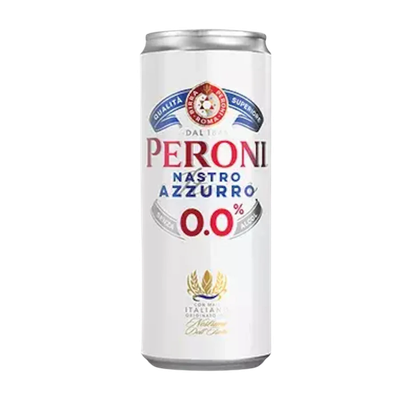
4. Peroni Nastro Azzurro 0.0%

Price: $14.99 / 6 / Buy Now
Brewed with Italian ingredients, including Nostrano dell’Isola maize grown only for Peroni. Crisp, light and refreshing, at 0.0% alcohol.
Things We Like
- 0.0% alcohol
- Crisp Italian lager
- Low sugar: 0.61 g per 100 mL.
5. Partake IPA

Price: $16.99 / 6 (355 mL) / Buy Now
A Canadian non-alcoholic IPA brewed with Cascade, Amarillo and Citra hops: floral, grapefruit and honey notes with a lingering bitterness.
Things We Like
- Canadian brewery
- Bright citrus hops
- Low sugar: 0.56 g per 100 mL.
Shop Non-Alcoholic Beer at Upside Drinks
Every beer above is in stock and ships across Canada. Browse our full non-alcoholic beer collection, or see our guides to the best non-alcoholic beers, the best non-alcoholic lagers and the best non-alcoholic IPAs.
FAQ: How Non-Alcoholic Beer Is Made
How do they take the alcohol out of beer?
The two main ways are vacuum distillation, which evaporates the alcohol at a low temperature, and reverse osmosis, which filters it out through a fine membrane. Other brewers skip removal and simply make sure little alcohol forms during fermentation.
Is non-alcoholic beer fermented?
Most of it is. Dealcoholized beers are fully fermented before the alcohol is removed, and beers made with limited fermentation or special yeasts still go through fermentation, just a shorter or weaker one.
What is the difference between 0.0% and 0.5% beer?
In Canada, non-alcoholic beer can contain up to 0.5% alcohol. A beer labelled 0.0% contains less than 0.05%.
Does removing the alcohol change the taste?
A little. Alcohol adds body and carries aroma, so brewers make up for it with malt, hops, and in some cases by adding the captured aromas back. That is why today’s non-alcoholic beers taste much closer to the real thing than they used to.
Which method makes the best non-alcoholic beer?
None of them wins every time. Great non-alcoholic beers are made with each method; the recipe and the brewer’s skill matter more than the technique.
Discover our Shop with
1000+ alcohol-free options
From sparkling wines to craft beers and botanical spirits, there's something for everyone.
BROWSE THE STORE
You May Also Like
 LifestyleIs Non-Alcoholic Beer Healthy? Calories, Sugar and Alcohol
 LifestyleThe Drinks Got Way Better
 LifestyleOnce in a While, Someone Asks Me How